
Uttarakhand, often referred to as 'Devbhoomi' or the 'Land of Gods', presents a captivating tapestry of diverse landscapes, from the serene plains to the towering peaks of the Himalayas. This geographical variation directly influences the unique and often dramatic weather in Uttarakhand. Understanding these climatic nuances is crucial for residents and travelers alike, ensuring preparedness and enhancing appreciation for the region's natural beauty.
Understanding Uttarakhand's Climatic Zones and Regions
Uttarakhand's topography is a primary determinant of its weather patterns, leading to clearly defined climatic zones across the state. This intricate system accounts for everything from the pleasant weather india experiences in its valleys to the harsh conditions in its highest peaks.
Exploring the Distinct Climatic Zones
The entire district of Pithoragarh, a representative region of Uttarakhand's diverse geography, can be broadly categorized into four primary climatic zones, each with unique characteristics:
- Cool Temperate Zone: Located at elevations between 600 and 2500 meters, this zone is further divided into Moist (600–1200m), Dry (1000–2500m), and Sub Tropical Valley (600–1200m) areas. These areas generally experience moderate temperatures, making them popular for settlement and agriculture.
- Cold Temperate Zone: Found at higher altitudes ranging from 2000 to 3500 meters, this zone includes both lower valleys (2000–3000m) and higher locations that are snow-bound for 5 to 6 months of the year (3000–3500m). This is where the initial signs of Uttarakhand snowfall begin to emerge, particularly during winter.
- Alpine Zone: Above 3500 meters, this zone is perpetually covered in snow, defining the majestic Himalayan peaks. Conditions here are extreme, with temperatures consistently below freezing for much of the year.
- Dry Climate Zone: This unique zone encompasses the Trans-Himalayan Alpine Valleys situated in rain shadow locations, typically between 2500 and 3500 meters. These areas receive significantly less precipitation compared to other regions, resulting in a drier, more arid climate despite the high altitude.
Seasonal Dynamics in Uttarakhand
The year in Uttarakhand unfolds through four distinct seasons, each bringing its own charm and challenges. These seasonal shifts are vital for the region's ecosystem and human activities, from agriculture to tourism.
Winter or Cold Weather Season (Mid-December to Mid-March)
During these months, Uttarakhand experiences its coldest temperatures. The tropical ridges and higher locations along the lesser Himalaya record average monthly temperatures between 5.5°C and 8°C in January, the coldest month. Lower valleys in Dehradun might see temperatures ranging from 5°C to 22°C. This period is synonymous with Uttarakhand snowfall, especially in the higher reaches, transforming the landscape into a pristine white wonderland.
Summer or Hot Weather Season (Mid-March to Mid-June)
Temperatures begin to rise progressively from March, peaking in early June. Dharchula and Jhulaghat, for instance, can record average temperatures between 30°C and 45°C. In Dehradun, the peak season from April to June offers pleasant weather with temperatures typically between 17°C and 35°C, providing cool summers Uttarakhand is famous for, perfect for sightseeing and outdoor activities.

Season of General Rains (South-West Monsoon Season)
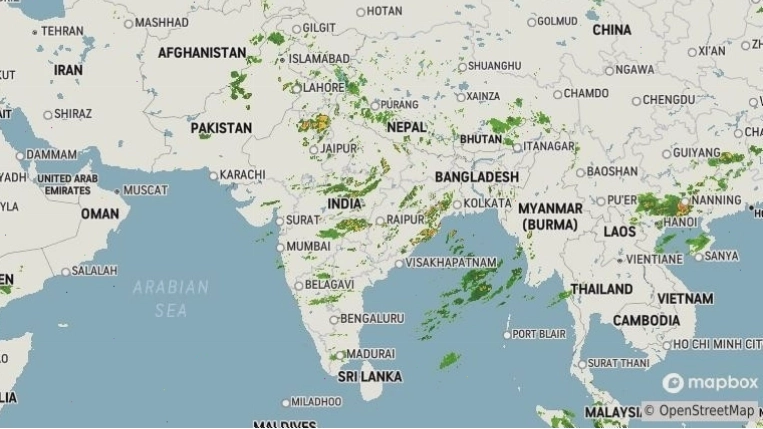
The monsoon season typically starts mid-June and continues until mid-September. This period is characterized by heavy rainfall, transforming the landscapes into lush green vistas. While beautiful, heavy rainfall can lead to warnings for severe weather, as seen with red warnings for heavy rainfall. For example, Dehradun in July can experience periods of rain and thunderstorms, with temperatures around 28°C high and 24°C low.
A typical 10-day forecast during this period for Dehradun might include:
- Heavy Rain and Thunderstorms: Expect high chances of precipitation (e.g., 100% on July 20th, 98% on July 21st).
- Cloudy Conditions: Overcast skies are common, with temperatures fluctuating between 23°C and 28°C during rain spells.
- Wind: Moderate winds, such as 4 km/h from the South with gusts up to 15 km/h, may accompany the rain.
Season of Retreating Monsoon (Mid-September to Mid-November)
Following the intense monsoon, this season sees a gradual decrease in rainfall. The weather becomes clearer and more stable, offering pleasant conditions before the onset of winter. This period is also popular for tourists looking to enjoy the post-monsoon greenery without the heavy rains.
Current Weather Snapshot and Air Quality in Dehradun
Beyond seasonal averages, understanding daily forecasts and environmental conditions provides a clearer picture of the weather in Uttarakhand's key cities like Dehradun.
Real-time Conditions and Short-term Forecast
As of 6:14 PM on a typical July 20th, Dehradun might experience 26°C with a RealFeel® of 32°C under cloudy skies. A MINUTECAST® could even predict rain starting within minutes. Hourly forecasts show temperatures generally remaining above 24°C with varying percentages of cloud cover and humidity into the early morning hours, reflecting typical monsoon patterns.
Moreover, the air quality can be a concern. Often categorized as 'Poor', the air may reach high levels of pollution, posing health risks for sensitive groups. It is advisable to reduce time spent outdoors if experiencing symptoms like breathing difficulties or throat irritation, particularly during adverse conditions.
Allergy Outlook
The allergy outlook can also be extreme, with high levels of dust and dander, especially in specific locations or during certain seasonal transitions. Travelers and residents with allergies should take appropriate precautions.
Planning Your Visit to Uttarakhand and Dehradun
Choosing the best time to visit Uttarakhand largely depends on the desired experience, given the region's varied climate zones and seasonal offerings.
| Season Category | Typical Months | Expected Weather & Activities |
|---|---|---|
| Peak Season (Cool Summers) | April - June | Pleasant 17-35°C. Ideal for sightseeing, trekking, camping. Crowds expected. Enjoys cool summers Uttarakhand is known for. |
| Monsoon Season | July - October | Lush green landscapes, moderate crowds. Expect significant rainfall, potentially 25-35°C (lower valleys). Historic sites gain unique charm. |
| Moderate/Winter Season | November - March | Cold weather 5-22°C (lower valleys) to 5.5-8°C (Himalayas). Less crowded, budget-friendly. Essential to pack warm clothing due to Uttarakhand snowfall in higher regions. |
Dehradun, the capital city of Uttarakhand, nestled in the Doon Valley, is a prime example of a destination benefiting from these seasonal variations. Known for its pleasant climate and picturesque landscapes, the city is a popular spot for tourists and students. Whether you seek the vibrant energy of peak season or the serene beauty of the off-season, careful planning around the weather in Uttarakhand will ensure a memorable trip.
Expert Recommendations for Navigating Uttarakhand's Climate
Navigating the diverse climate of Uttarakhand requires more than just a glance at the forecast; it demands informed preparation. From understanding the nuances of the Himalayan weather India offers to planning for sudden shifts, being well-prepared is key. Always check localized forecasts for your specific destination within Uttarakhand, as microclimates can vary significantly.
For those venturing into higher altitudes, especially during winter, be mindful of the possibility of heavy Uttarakhand snowfall and carry appropriate gear. Even during the cool summers Uttarakhand is known for, temperatures can drop rapidly at higher elevations, making layered clothing essential. Embrace the seasonal changes, but always prioritize safety and comfort by packing wisely and staying updated with the latest weather information before and during your journey. This proactive approach will allow you to fully immerse yourself in the natural splendor and unique climate of this incredible region.